
Non-Toxic Home Design: Simple Swaps for a Healthier, Sustainable Space
What if I told you your home might be quietly releasing toxic chemicals into the air?
Paints, couches, flooring, even insulation — many of the materials we live with every day can off-gas invisible pollutants that affect our health.
No need to panic! The good news is that with a few mindful choices, you can transform your space into a non-toxic, eco-friendly home that supports your wellbeing and the planet.
I’m Crystal Wong, an architect passionate about wellness-focused design.
Let’s uncover the hidden toxins in traditional materials and explore simple swaps to create a healthier, sustainable home that still looks beautiful.
A lot of standard construction and furniture materials release VOCs (volatile organic compounds) — chemicals that evaporate into the air and can cause headaches, allergies, or long-term health issues.
Common culprits include:
- Paints and adhesives
- Particleboard and plywood furniture
- Synthetic carpets and foam cushions
Many of these contain formaldehyde and other compounds that degrade indoor air quality. The result? A home that looks clean but can silently impact your health.
2. Healthy, Eco-Friendly Alternatives
You don’t need to tear down walls to make a difference.
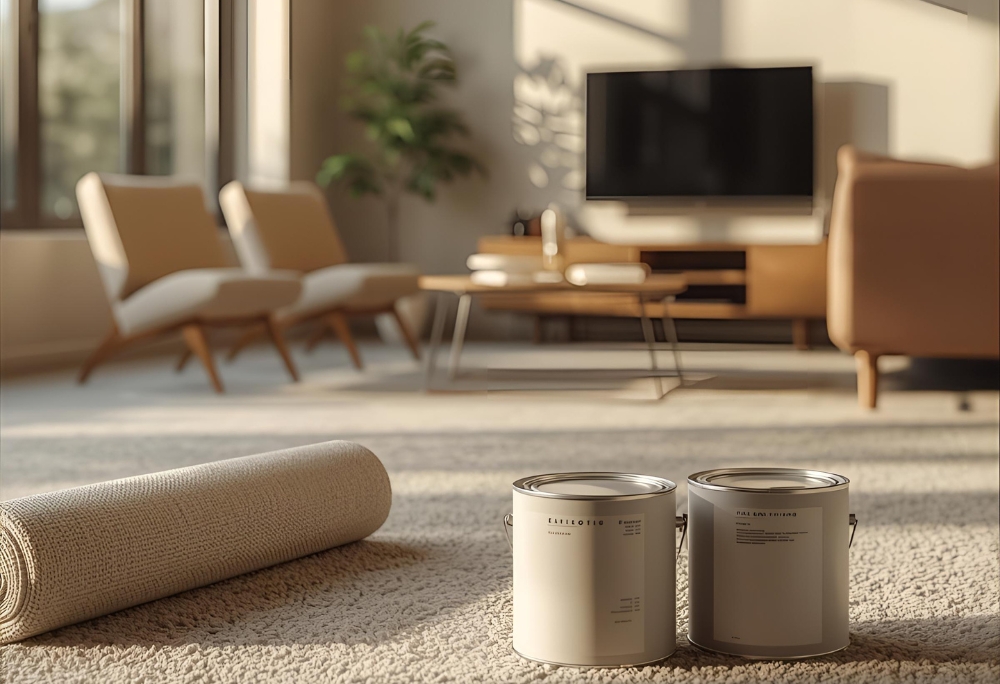
Start by replacing toxic finishes with VOC-free paints, natural sealants, and chemical-free wood finishes.
Small swaps go a long way toward cleaner air and a calmer home:
- Use limewash or clay-based paints for natural texture
- Opt for water-based adhesives instead of solvent-based glues
- Seal wood with natural oils like linseed or tung oil
These changes instantly improve air quality and give your interiors a softer, more organic feel.
3. Sustainable Superstars
Sustainability doesn’t have to mean boring. Here are eco-friendly materials that combine style, durability, and wellness:
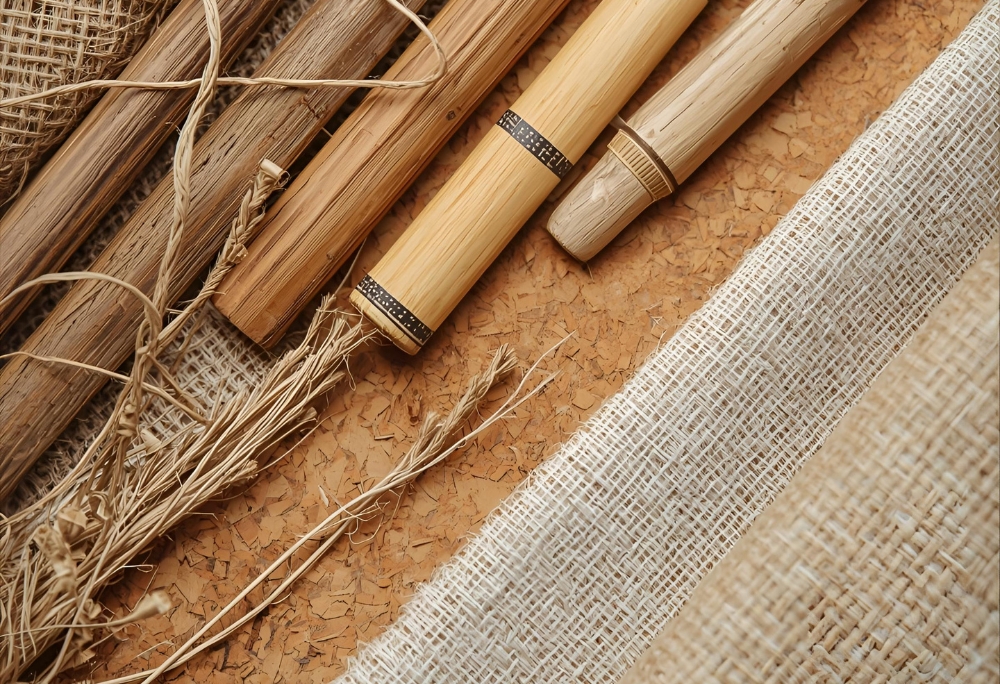
- Reclaimed wood — beautiful patina, zero toxins
- Bamboo — fast-growing and renewable, perfect for flooring or furniture
- Cork — hypoallergenic, sound-absorbing, and soft underfoot
- Recycled metal — gives an industrial aesthetic with less environmental impact
These sustainable design materials not only lower your carbon footprint but also help maintain a balanced, natural energy indoors.
4. Insulation Without the Ick
Most standard insulation contains chemical binders or fiberglass that irritate skin and lungs.
Switch to non-toxic insulation like:
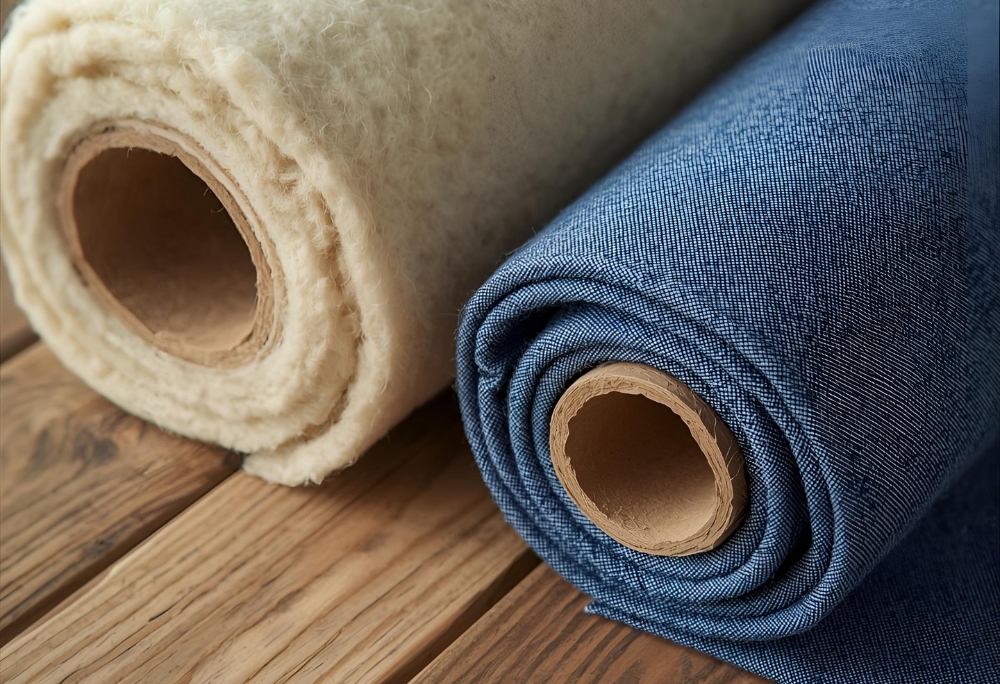
- Wool insulation — naturally regulates temperature and humidity
- Recycled denim insulation — turns old jeans into cozy, chemical-free comfort
- Cellulose insulation — made from recycled paper with minimal additives
They’re safer to handle, better for the planet, and perfect for anyone pursuing healthy home building.
5. The Sneaky Toxins in Furniture
Even furniture can hide harmful chemicals — from flame retardants to glues.
Choose solid wood furniture with natural finishes, and skip particleboard or MDF pieces made with synthetic resins.
Safer choices include:
- Organic fabrics such as cotton, hemp, and linen
- Chemical-free mattresses made from natural latex or organic wool
- Vintage or secondhand pieces that have already finished off-gassing
Your furniture should support your comfort — not pollute your air.
6. Bonus Tip: Instant Indoor Air Quality Boost
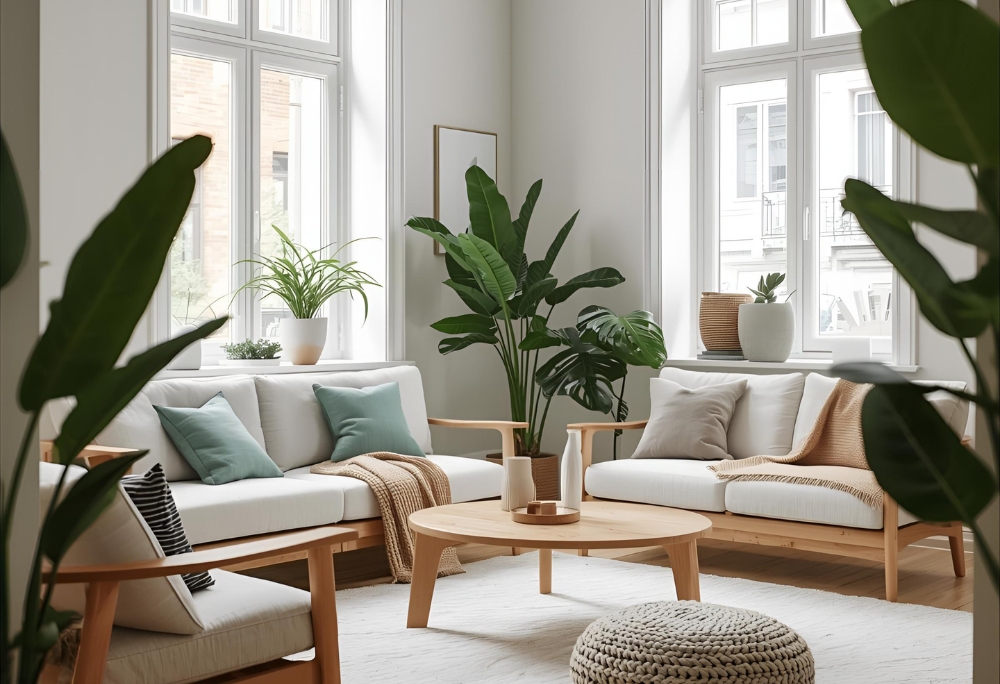
Here’s the simplest wellness upgrade you can make today: add houseplants!
Snake plants, peace lilies, and bamboo palms are natural air filters that help remove formaldehyde and benzene.
Pair them with a HEPA air purifier for next-level clean air and you’ll notice the difference almost immediately.
Why Non-Toxic Design Matters
A non-toxic home is more than a trend — it’s an investment in long-term wellness.
By choosing sustainable materials and mindful design, you:
- Improve indoor air quality
- Reduce exposure to harmful chemicals
- Support eco-friendly production
- Create a healthier, more balanced space
Recent research from Purdue University reveals that everyday household products can make indoor air more polluted than outdoor air, underscoring how crucial non-toxic material choices are.
💡 Your Turn: What’s one non-toxic or sustainable swap you’ve made (or want to make) at home? Share it in the comments — your idea might inspire someone else.
📩 Want more healthy home tips? Subscribe for weekly insights on sustainable design, wellness architecture, and eco-friendly living.